Complete Guide to Restoring Sandstone with Pressure Washing
Sandstone is one of the most attractive natural materials you can use around a home, and it's a popular choice for patios, pool surrounds, retaining walls, steps and feature walls across Byron Bay and the Northern Rivers. But our warm, humid, coastal climate is tough on it. Salt air, regular rain, shade from established trees and year-round humidity all encourage green algae, black mould, lichen and general grime. The good news is that sandstone can look dramatically better with the right cleaning approach. This guide explains how pressure washing works on sandstone, what to watch out for, and how to get a lasting result.
Why Sandstone Needs Special Care
Sandstone is a sedimentary rock made of compacted sand grains held together by natural minerals such as silica, calcite or iron oxide. It is porous and relatively soft compared with granite or concrete. That porosity is what gives it character, but it also means the stone absorbs moisture, dirt and organic growth, and can be damaged by aggressive cleaning.
Using too much pressure, the wrong nozzle or the wrong chemicals can strip the surface, wash out the binding material between grains, leave etched lines (often called "zebra striping") or make the stone more prone to future staining. Restoring sandstone is less about brute force and more about controlled, gentle technique.
Common Problems on Byron Bay Sandstone
Algae, Mould and Lichen
Shaded and south-facing areas stay damp, which is ideal for green algae and black mould. Lichen is more stubborn, as it attaches itself firmly to the stone and often needs a treatment to kill it rather than just a rinse.
Salt Deposits and Efflorescence
Near the coast, salt can migrate through the stone and crystallise on the surface as white, powdery deposits. Pressure washing alone won't solve a salt problem if moisture keeps drawing it up from the ground, so it's worth identifying the cause of the dampness.
Rust and Tannin Stains
Rust stains from metal furniture, irrigation water or iron-rich stone, and tannin stains from fallen leaves and mulch, are common. These often need a dedicated stain treatment in addition to washing.
Grime, Grease and Pool Chemicals
Pool surrounds collect sunscreen, body oils and chlorine residue, while outdoor entertaining areas pick up cooking grease and spills.
Is Pressure Washing Safe for Sandstone?
Yes, when it's done correctly. The key is matching the method to the condition of the stone. Older, softer or heavily weathered sandstone needs a much lower pressure than newer, denser stone. In many cases, a "soft wash" approach, which relies on low pressure combined with a suitable cleaning solution, is the best option for delicate or crumbling surfaces.
As a general guide, many professionals keep pressure well below what they would use on concrete, and rely on wide fan tips and a greater working distance. Always test a small, inconspicuous area first to see how the stone responds.
Step-by-Step Sandstone Restoration Process
- Inspect the stone. Look for loose grout, crumbling edges, cracks, flaking or sections that are already eroding. Repair or note these before cleaning.
- Protect the surroundings. Cover or move plants, wet down nearby garden beds, and protect doors, windows, timber and electrical fittings.
- Pre-wet the surface. Dampening the stone helps stop cleaning solutions from soaking in too deeply.
- Apply a suitable treatment. Use a cleaner formulated for natural stone and the type of growth present. Allow the recommended dwell time, and don't let it dry on the surface.
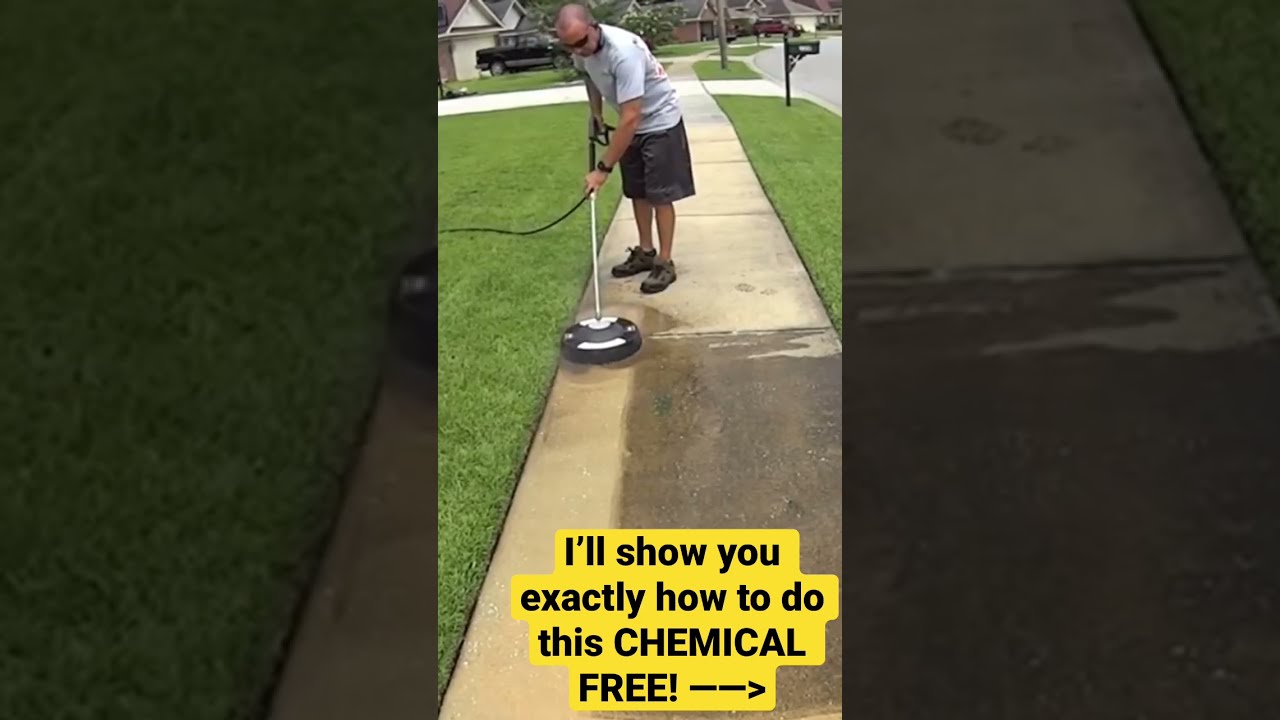
- Wash with controlled pressure. Use a wide fan tip, keep the nozzle at a consistent distance, and work in even, overlapping passes following the direction of the stone or joints.
- Rinse thoroughly. Remove all cleaning residue, particularly around joints and garden edges.
- Allow to dry fully. Sandstone can take a day or more to dry in humid conditions, and it should be completely dry before sealing.
- Seal if appropriate. A breathable, penetrating sealer helps reduce staining and slow regrowth of algae and mould.
Choosing the Right Pressure, Nozzle and Technique
Pressure Settings
Lower pressure is almost always better for sandstone. Many professionals work at a fraction of the maximum output of their machine, increasing only when the stone is dense and in good condition. Never use a zero-degree (pinpoint) nozzle on sandstone, as it can gouge the surface instantly.
Nozzles and Distance
A wide fan tip, generally 25 to 40 degrees, spreads the force across a larger area. Keeping the nozzle moving and maintaining a steady distance helps avoid streaks and uneven patches.
Hot Water vs Cold Water
Hot water can help break down grease and oils, particularly around outdoor kitchens and pool areas, but it should be used https://andyoanb263.opalvector.com/posts/pressure-cleaning-metal-sheds-and-colorbond-garages-fast carefully on sandstone. Cold water with an appropriate cleaner is suitable for most general restoration work.
Cleaning Products: What to Use and What to Avoid
Choose products designed for natural stone. Mild, pH-appropriate cleaners and biocide treatments for algae and lichen are generally the safest options. Sodium hypochlorite-based treatments are sometimes used to treat organic growth, but they must be properly diluted, used with care around plants, and thoroughly rinsed.
Avoid strong acids on sandstone, particularly if it contains calcite, as acids can dissolve the natural cement that holds the stone together and cause permanent damage. Always follow the manufacturer's directions and local requirements for wastewater disposal.
Environmental Considerations in Byron Bay
Byron Bay's coastal environment, creeks, wetlands and stormwater systems are sensitive, and wash water should never be allowed to carry chemicals, sediment or contaminants into drains or waterways. Good practice includes:
- Using biodegradable, low-impact cleaning products wherever possible
- Blocking or covering stormwater drains and capturing wash water where practical
- Directing runoff onto lawn or garden areas only when the products used are plant-safe
- Following local council and NSW environmental guidelines regarding stormwater and wastewater
- Being mindful of water use, particularly during dry spells or water restrictions
Sealing Sandstone After Cleaning
Sealing is optional but often worthwhile in the Byron Bay climate. A good-quality penetrating sealer soaks into the stone and reduces water absorption without forming a plastic-looking film on top. Because sandstone needs to breathe, avoid sealers that trap moisture inside.
Choose a sealer suited to your stone and location: pool surrounds, shaded courtyards and sun-exposed paths all have slightly different requirements. Some sealers enhance the colour of the stone, while others leave a more natural finish, so testing a small area first is wise. Reapplication is typically needed every few years, depending on traffic and exposure.
DIY or Professional?
Small, sturdy areas of sandstone in good condition can often be cleaned by a careful homeowner using a low-pressure setup and the right products. However, professional help is worth considering when:
The stone is old, soft or flaking; the area is large or on multiple levels; there are heritage or high-value features; stains are stubborn or unknown; or you're dealing with salt damage and rising damp. Professionals have the equipment, experience and product knowledge to match the method to the stone, and can reduce the risk of costly damage.

Keeping Sandstone Clean Long Term
Regular, gentle maintenance makes a big difference in a humid coastal climate. Sweep away leaves and debris often, improve drainage and airflow where possible, trim back vegetation that keeps areas shaded and damp, and rinse the surface occasionally with fresh water to remove salt. Many homeowners find that a light clean once or twice a year, combined with a quality sealer, keeps sandstone looking fresh without needing intensive restoration.
Final Thoughts
Pressure washing can bring tired, stained sandstone back to life, but the secret is restraint: low pressure, the right nozzle, suitable cleaning products and proper drying and sealing. By understanding your stone and taking the local Byron Bay environment into account, you can restore its natural beauty in 2026 and protect it well into 2027 and beyond.
Byron Bay Pressure Cleaning Pros
0440 133 038